
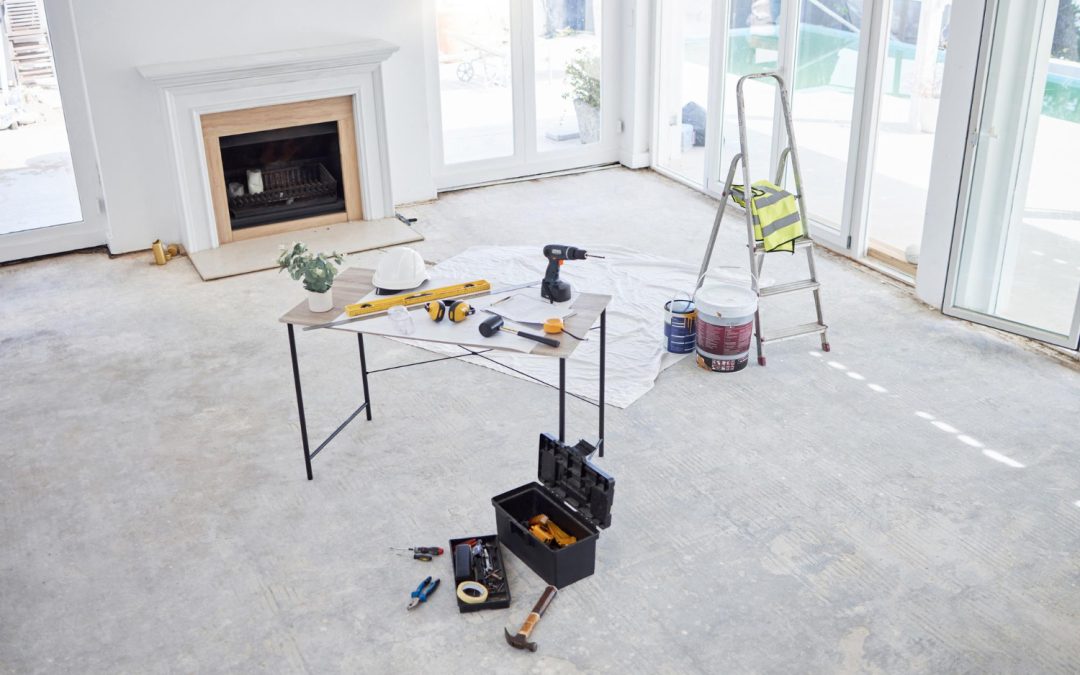
Design a Renovation That Lives Like a Finished Home
A good interior renovation should feel like one well-thought-out home, not a bunch of random projects that happen to share walls. When rooms connect in a natural way, your home is easier to live in, easier to clean, and simply feels calmer. You can walk from the kitchen to the living room to the basement and feel like every space belongs together.
That feeling does not happen by accident. It comes from planning, smart layout choices, and clear design decisions from the start. Having one clear guide through planning, design, and construction helps the whole house feel like it came from a single, unified vision.
When we talk about “flow,” we mean three things working together: how your home looks, how it works, and how it supports your daily life. A home with good flow has sightlines that make sense, finishes that connect from room to room, and spaces that support how you cook, relax, work, and play, especially when everyone is inside more during those late-winter and early-spring days.
Start with a Big Picture Interior Renovation Plan
Even if you plan to renovate in stages, it helps to think about the whole interior renovation at once. Maybe you are doing the kitchen now and the basement or bathroom later. Without a big picture plan, you can end up with finishes that clash, odd transitions, or layouts that are harder to fix down the road.
Step back and look at how rooms relate to each other, not just how each room looks on its own. Key things to look at include:
- Sightlines from the entry, hallway, and main living spaces
- Traffic paths between the kitchen, dining, and living room
- How you move from main floors to basements or upper floors
- Where flooring and trim change, and if those changes feel sudden
When you stand at your front door, what do you see first? The kitchen island, a messy mudroom, or a peaceful view into the living room? Those early choices help shape how the rest of the house feels. The same goes for open-concept designs, where one awkward cabinet or odd light can pull your eye in the wrong direction.
A strong interior renovation plan also means choosing an integrated design concept that can stretch across the home, such as:
- A flexible color palette you can repeat in different ways
- Materials that can work in kitchens, bathrooms, and basements
- Trim profiles, doors, and hardware that feel like one family
- A lighting style that fits both formal and casual spaces
You do not need every room to match. You just need them to feel like they belong to the same home.
Create Visual Flow From Room to Room
Visual flow is what makes your interior renovation feel calm instead of busy. It is about repeating certain details while letting each room still have its own personality. As you plan, think through how to coordinate:
- Cabinetry styles, like using simple shaker doors in different colors
- Hardware metals that repeat from kitchen to bath to basement
- Countertop materials that relate, even if they are not identical
For example, you might choose a warm wood tone in the kitchen island, then bring that same tone into a basement bar, bathroom vanity, or living room built-in. Your eye starts to notice the pattern, and your home feels pulled together.
Flooring is a huge part of visual flow. Many homes feel choppy because flooring changes too often. Some options to think about:
- Continuous flooring across open main floors for a larger feel
- Durable, water-friendly flooring at entries and basements
- Clean transitions at doorways instead of random lines in the middle of rooms
Lighting and paint also play a big role. A layered lighting plan might include:
- Ambient lighting like ceiling fixtures or recessed lights
- Task lighting over islands, counters, and desks
- Accent lighting on shelves, art, or architectural features
Then, a simple, well-planned color story can guide you through the home. Maybe you repeat one main wall color, then change accent colors and textures in each space. The result feels easy on the eyes, not boring.
Plan Functional Zones for Real Life
Good flow is not just about looks; it is about daily life. Before finalizing layouts, map out your main activity zones:
- Cooking and meal prep
- Entertaining and family time
- Kids’ play areas and homework spots
- Work-from-home spaces
- Laundry, mudroom, and storage
Once you know these zones, you can connect them in ways that make sense. For example:
- Lining up the kitchen island with the dining table so serving and cleanup stay simple
- Placing a basement family room near a bathroom so guests and kids are more comfortable
- Putting a mudroom entry close to the kitchen and laundry so bags, boots, and coats do not spread through the whole house
Starting an interior renovation around late winter or early spring can be smart if you plan for the season. That might mean:
- Mudroom flooring that handles snow, rain, and dirt
- Low cabinets and hooks for sports gear and backpacks
- Built-in storage for coats, cleaning tools, and seasonal bins
When these zones are thought through together, every room supports the next.
Coordinate Timelines, Trades, and Budget
Even the best design can feel stressful if the work is not well managed. Effective project management means one clear plan that keeps all moving parts on track, which is especially helpful when you are combining kitchen, bathroom, flooring, and custom carpentry work.
A clear, phased schedule might look like:
- Demolition and any framing changes first
- Plumbing and electrical updates while walls and floors are still open
- Flooring installation at the right time so it is protected
- Cabinets, trim, doors, and custom carpentry at the finish stage
- Painting and final lighting last, once surfaces are ready
Planning in phases also helps you keep daily life running as smoothly as possible. For example, you might leave one bathroom working while another is under construction, or protect key pathways so you can still move around your home.
Budgeting with the whole home in mind helps you avoid expensive rework. Helpful steps include:
- Setting one master budget that covers all phases
- Prioritizing high-impact rooms like kitchens and main baths
- Making big decisions on materials, layouts, and trim once, not room by room
This kind of planning keeps the project from feeling chaotic and helps the finished home feel like one complete thought.
Use Custom Carpentry to Tie Spaces Together
Custom carpentry is often the secret to a home that truly feels unified. Trim, built-ins, and millwork have a way of pulling everything together, even when rooms have different colors or purposes.
Consider:
- Continuous baseboards and door casings throughout the home
- Matching or related stair rail details from main floors to basements
- Built-in storage that repeats certain lines, panels, or wood tones
A few simple ideas can make a big difference. For example, a custom range hood design in the kitchen can echo in a basement wet bar, using similar panels or shelves. A living room media wall might share details with a home office or guest suite, like the same style of cabinet doors or open shelving.
Custom carpentry also solves tricky transitions, such as:
- Under-stair niches that become smart storage instead of dead space
- Odd corners turned into reading nooks or display shelves
- Changes in ceiling height softened with beams or trim details
These details do more than fill gaps. They give your home character and help every level feel like part of the same story.
Bring Your Interior Renovation Vision to Life
Turning loose ideas into a finished interior renovation that flows room to room takes planning, patience, and a team that understands how all the pieces fit. When planning your project, connect layout, finishes, and details in a way that supports your whole home, not just one room.
If you are ready to explore possibilities, you can start developing custom designs that reflect how you live, from kitchen and bathroom layouts to basement plans, flooring concepts, and built-in carpentry details. Use sketches, mood boards, or 3D concepts to test ideas, then refine material selections so every space feels connected, comfortable, and ready for real life, season after season.
For homeowners who prefer professional support, American Dream Home Improvement can collaborate with you on tailored design solutions and coordinated renovation plans that bring your custom vision to life.
Get Started With Your Project Today
If you are ready to reimagine your space, our team at American Dream Home Improvement is here to help guide every step of your interior renovation. We listen carefully to your goals, clarify your options, and deliver a plan that fits your home, timeline, and budget. Tell us what you want to change and we will handle the details with skilled craftsmanship and clear communication. Reach out today through contact us so we can start planning your remodel together.